A sewage backup is the one water emergency nobody should clean up themselves. Category 3 water carries bacteria, viruses and parasites, and on the slab-on-grade construction used throughout Montgomery County it surfaces at the lowest drains in the house - a ground-floor bathroom, the laundry, a garage floor drain - and spreads across finished floors from there. United Water Restoration Group of The Woodlands removes it, takes out what cannot be disinfected, treats what stays, and dries the structure to a measurable standard before anyone uses the space again. Call (281) 603-0025 any hour.
- Answered 24 hours a day, with an arrival window given on the call
- IICRC-certified crews working to the S500 and S520 standards
- Containment and HEPA-filtered negative air before anything is disturbed
- Hospital-grade disinfection, then verification rather than assurance
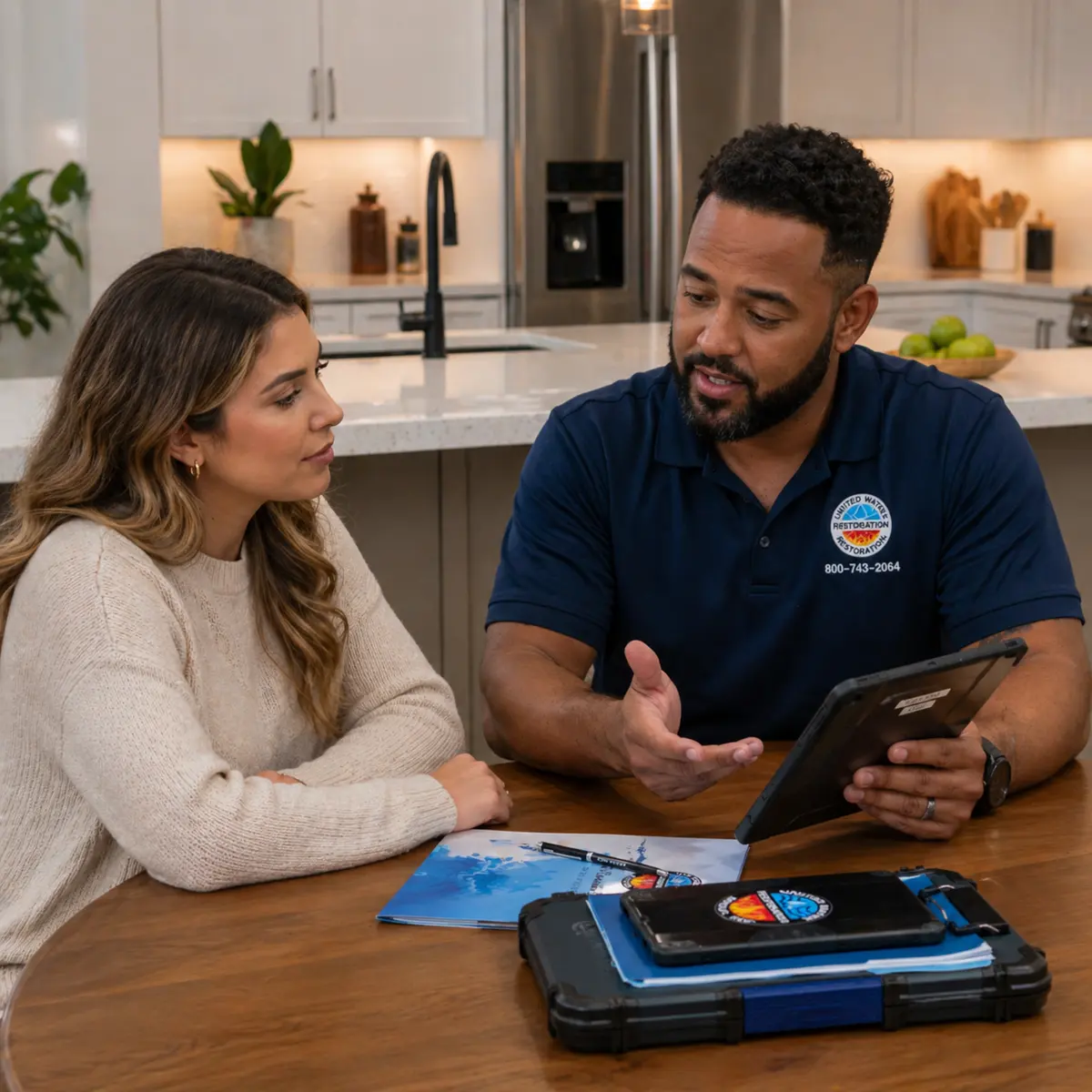
- Documentation and moisture logs your insurance carrier will accept
- Reconstruction crews to put the flooring, drywall and trim back
Why a Backup Spreads Further Here Than You Would Expect
There are no basements in this market. Homes across The Woodlands, Conroe, Spring, Kingwood, Magnolia and Tomball sit on slabs, which means a backup has nowhere to collect - it comes up at the lowest fixtures and then runs out across the floor the family actually lives on.
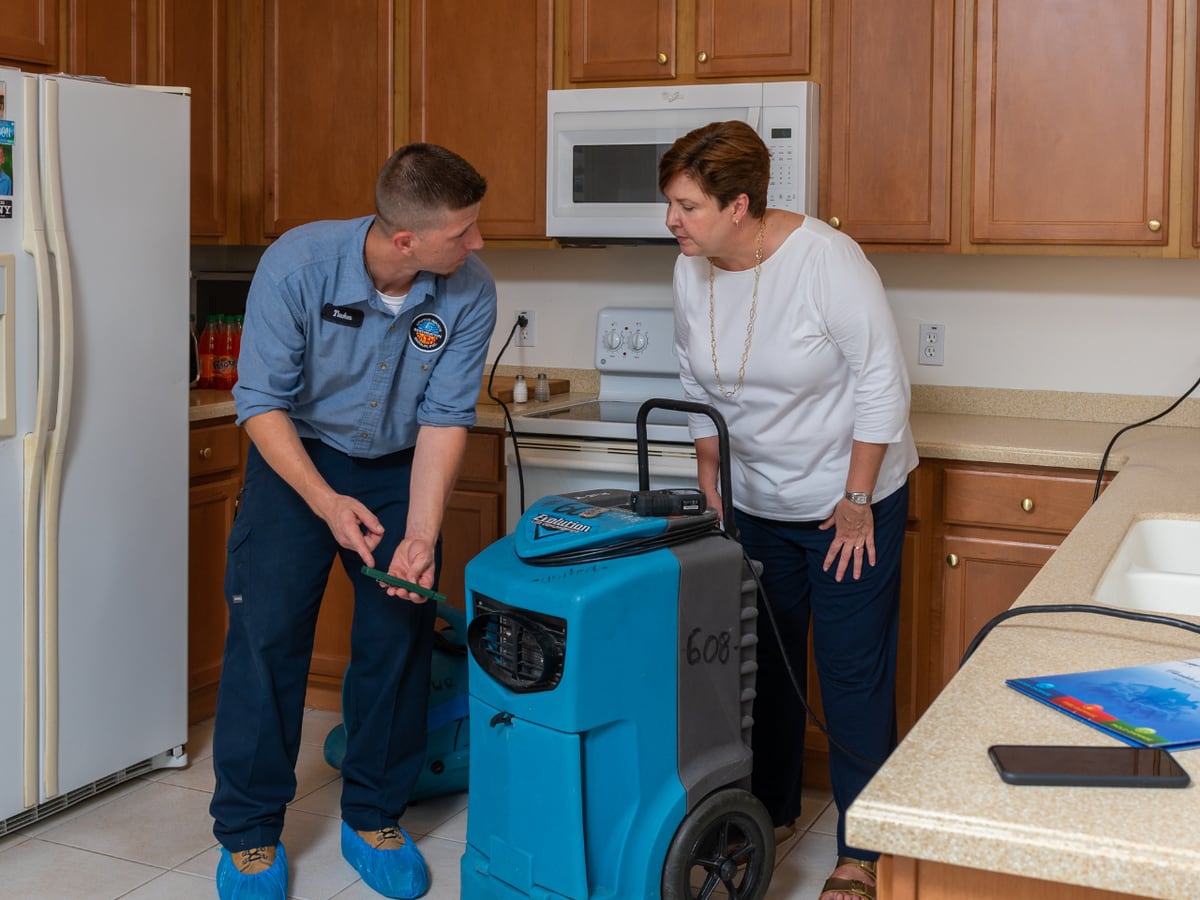
That changes the job. Contaminated water tracks under vinyl plank and tile, soaks the carpet pad, wicks up the bottom plate of the wall, and travels along the plumbing chase into rooms the overflow never visibly reached. We map the whole affected area with moisture meters and thermal imaging before anything comes out, because the part you can see is almost never the whole of it.
The local cause is worth naming too: the pine canopy that makes this market what it is puts roots into older clay and cast-iron sewer laterals, and the 1970s sections of Grogans Mill and the original Kingwood villages are where we find that most often.
Category 3 Water Is a Health Problem, Not a Cleaning Problem
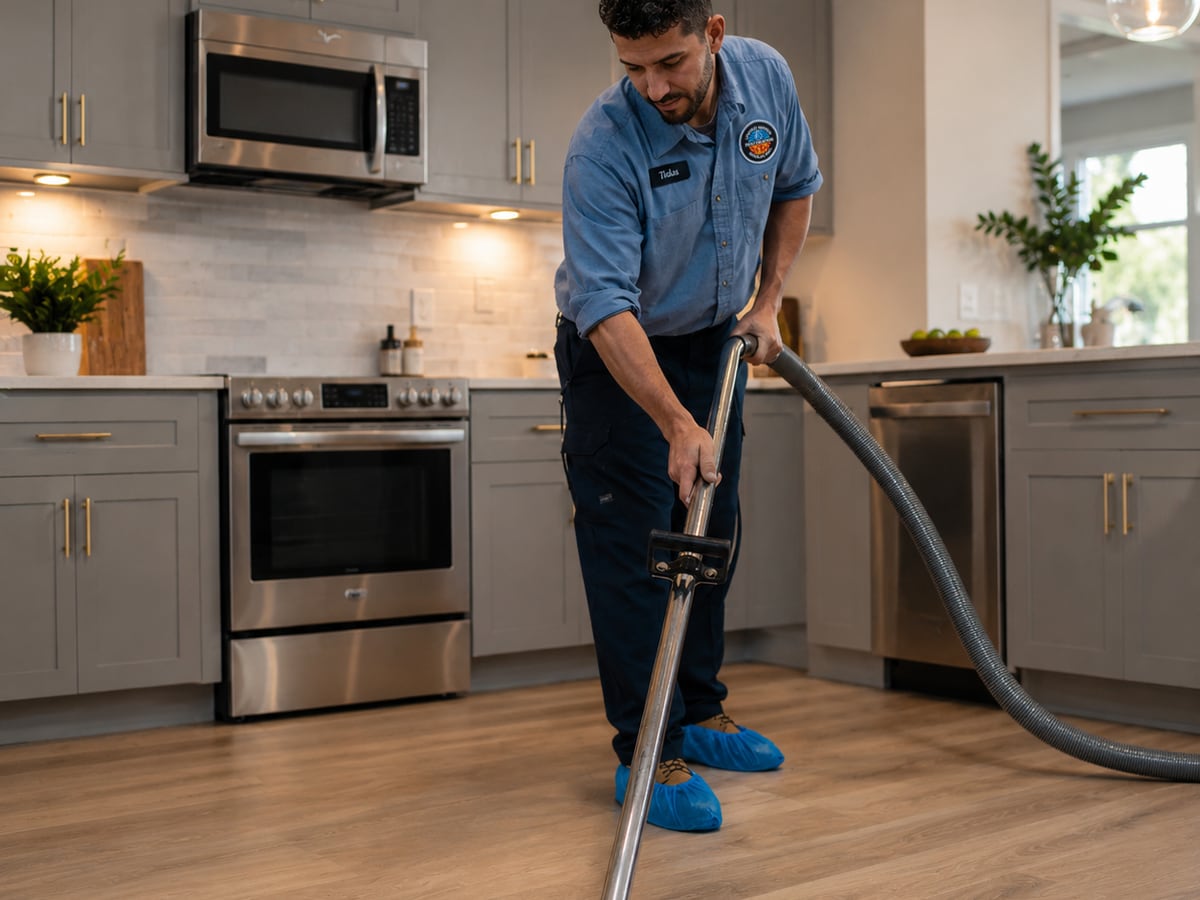
Sewage is classified Category 3 - grossly contaminated - and that classification decides the scope rather than our preference. Porous materials that absorbed it do not get cleaned, they get removed: carpet and pad, affected drywall and its insulation, particleboard, and any cabinetry whose base took water on.
Humidity here stays high nearly all year, which gives bacteria and mold an unusually short head start. Within a day or two of a backup, a space that was only unpleasant becomes a genuine indoor air quality problem, and the attic and wall cavities are where that shows up later.
So containment goes up first, HEPA-filtered negative air runs so the work does not push contaminants through the rest of the house, and everything removed leaves the building bagged. Keep children and pets out of the area and do not run the air conditioning until we have told you it is safe - a return vent in an affected room will distribute the problem through every room the system serves.
Proving It Clean, Then Putting It Back
Disinfecting a space and proving it is clean are different claims, and the second is the one that matters when a family has to live there. After removal we apply EPA-registered antimicrobials to the surfaces that stay, treat the odor at the source rather than masking it, and clean or replace affected ductwork.
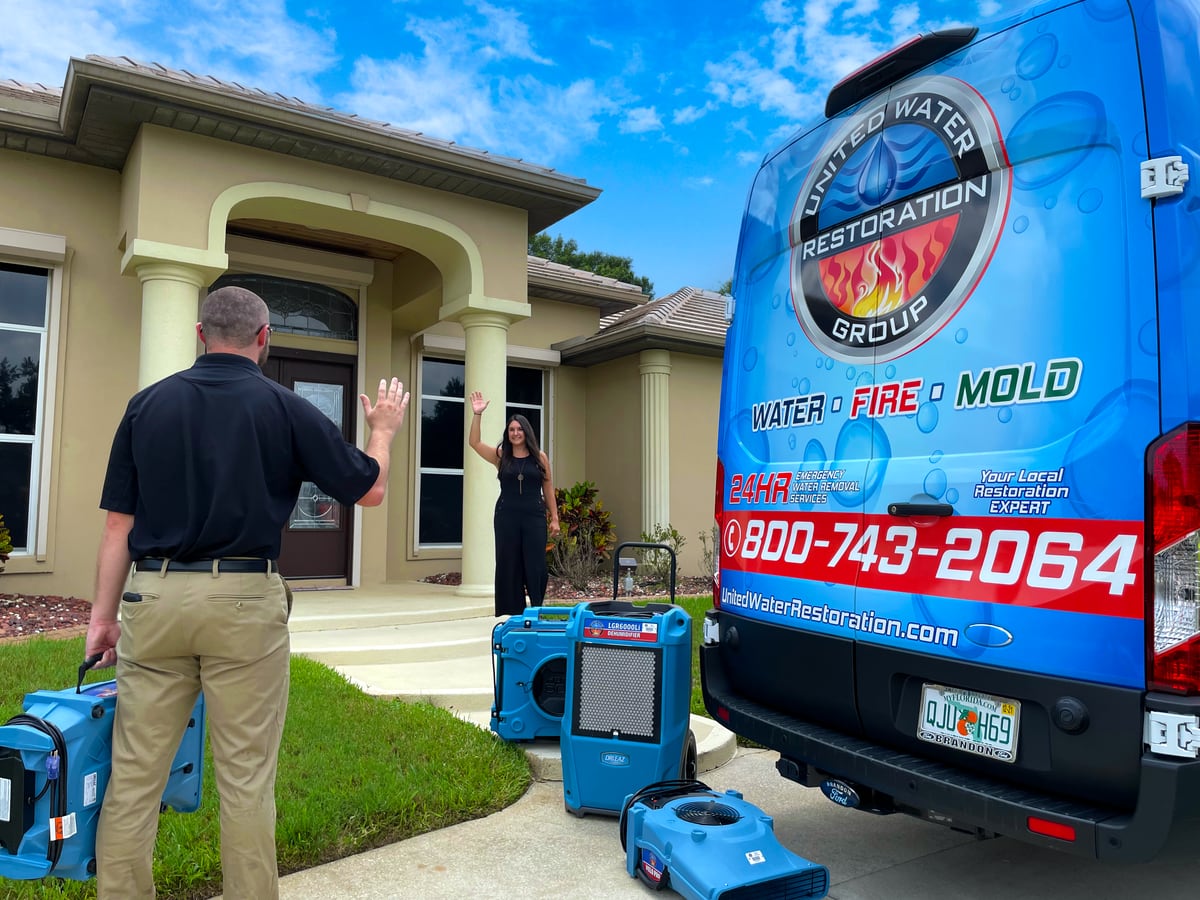
Then the structure has to dry. We log temperature, relative humidity and material moisture by location each day, and keep drying until the readings match an unaffected part of the same house - not until it feels dry. Those logs, with photographs of the conditions before, during and after, are what your insurance carrier is given.
Because our own crews handle the reconstruction, the flooring, drywall, paint, trim and cabinetry go back as part of the same project. We measure and order during the drying phase, so repairs start the day the structure hits dry standard rather than a week later.